thecopymentor Logo Thecopymentor Contact Us
Contact Us

River Weir and Mill Town Route: History and Scenery Combined

7 min read Beginner June 2026

Discover a gentle 4.2-mile circular route that weaves through riverside meadows, past a working mill, and along the historic weir system. Perfect for a leisurely half-day walk with plenty of spots to pause and appreciate the Nore Valley's natural beauty.

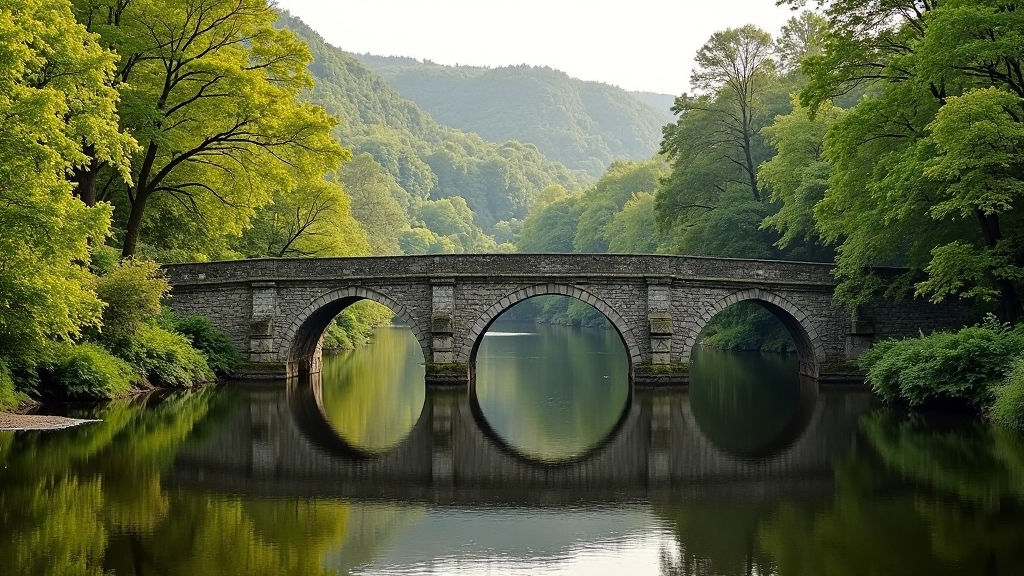
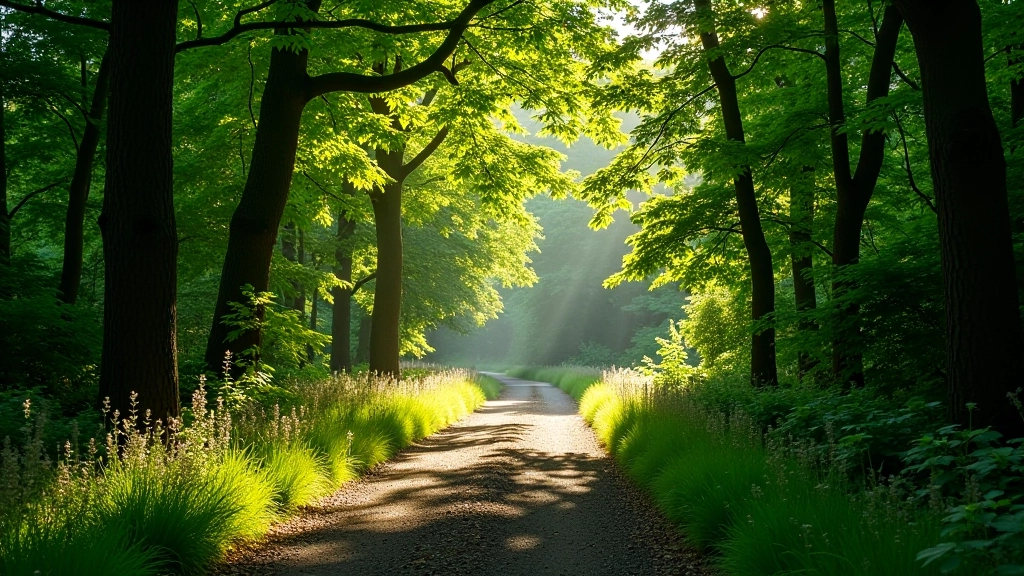
River Weir and Mill Town Route scenic pathway along the Nore Valley with green meadows and historic weir structures

Why This Route Stands Out

The River Weir and Mill Town Route isn't just another countryside walk. It's a journey through layers of history — you'll walk past structures that've been shaping this landscape for centuries. The weir system you'll see was built to manage water flow for the mills that once drove the local economy.

What makes it special for walkers is the balance. You're not on exposed moorland or deep in confusing woodlands. Instead, you get river views, open meadows, tree-lined sections, and genuine historic interest all woven together. Most walkers complete it in about 90 minutes at a relaxed pace.

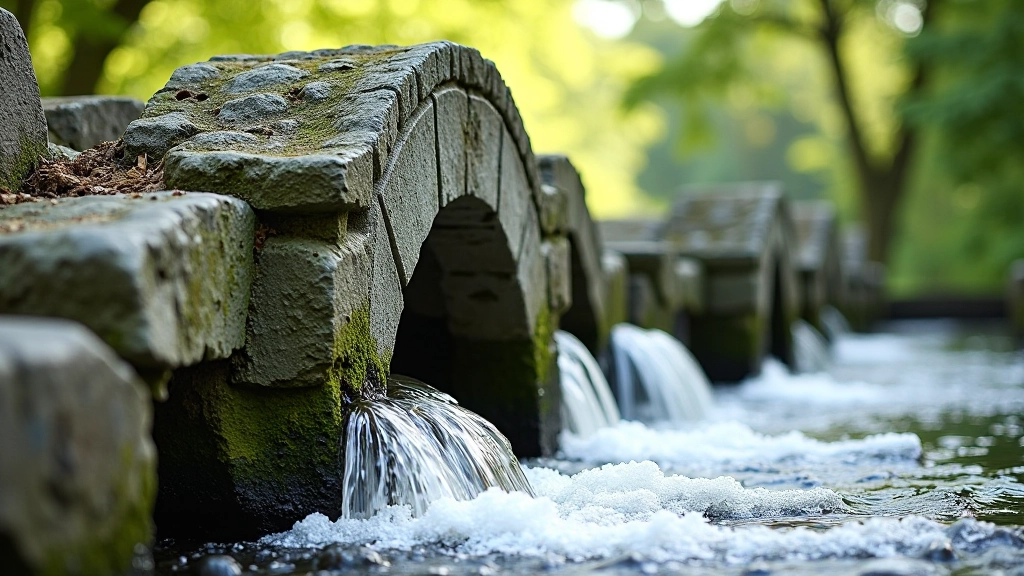
Close-up detail of historic stone weir structure showing engineering craftsmanship and water flowing through channels

What You'll See Along the Way

The Weir System

Three separate weir structures that controlled water levels for mills downstream. You can see how the engineering still works today — water flows through designed channels exactly as it did 150 years ago.

Mill Town Heritage

The route passes the restored mill buildings. These aren't just photo ops — they're working examples of how water power shaped entire communities. Staff often share stories about the milling process.

Riverside Flora

Willows, alders, and hawthorn line the banks. Spring brings wildflowers in the meadows — bluebells, wild garlic, and buttercups. Summer's when you'll see the most bird activity around the water.

Wildlife Watching

Kingfishers, grey herons, and dippers are regular sights. If you're quiet near the water, you'll spot ducks and moorhens. Otters have been seen here too, though they're shy and early morning's your best chance.

Route Breakdown: What to Expect

The walk's straightforward — there's no complicated navigation once you know the start point. The path itself is well-maintained with only two sections that get muddy after heavy rain. You'll encounter a few gentle slopes, but nothing steep or challenging.

The first 1.5 miles follows the river closely. You're walking on a mix of gravel path and mown grass. Then you move away from the water for about a mile through tree cover — this is where the shade helps on warmer days. The final 1.7 miles brings you back to riverside with open meadow views.

Essential Details

  • Distance: 4.2 miles (6.8 km)
  • Duration: 90 minutes at normal pace
  • Elevation gain: 180 feet (55 metres)
  • Surface: Gravel, grass, and minor sections of asphalt
  • Parking: Free car park near the mill (capacity 40 spaces)
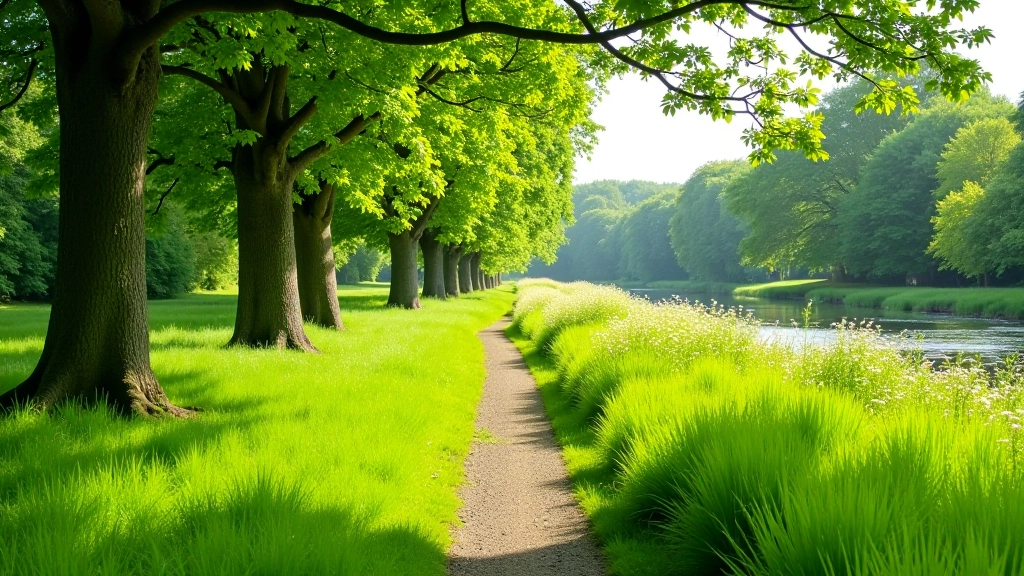
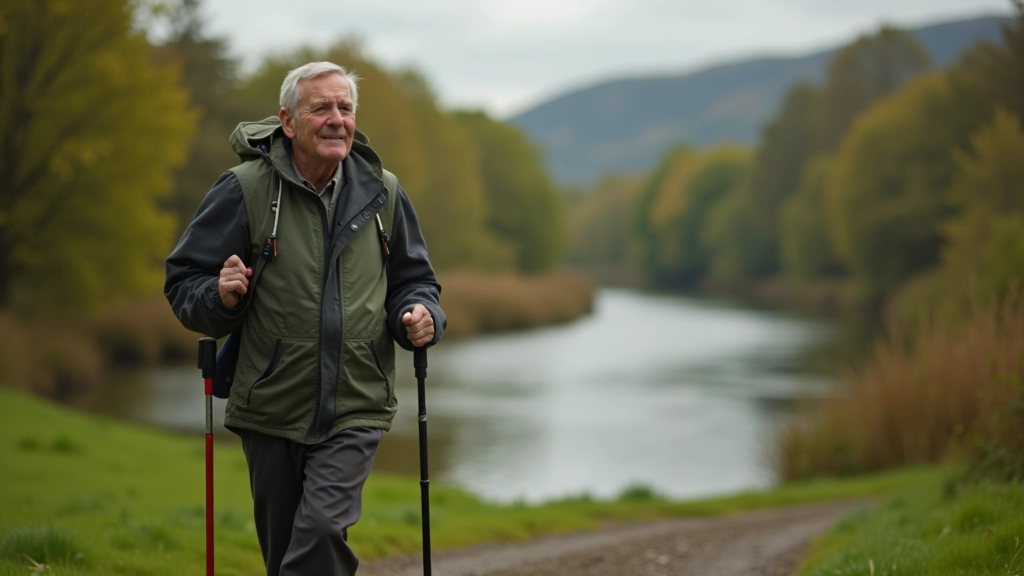
Scenic meadow path with river visible in distance, lined with mature trees and wildflowers

Before You Walk

This route is suitable for walkers of all abilities, but conditions vary seasonally. Check recent weather — the meadow sections can be boggy after rain. Wear sturdy footwear with good grip. The river has open sections without barriers, so keep children and dogs close. Mobile signal's reliable throughout. If you have any health concerns about undertaking physical activity, it's always sensible to have a word with your GP beforehand.

Practical Tips for Your Visit

Start early if you can — you'll have quieter paths and better light for photos. The car park fills up after 10 a.m. on weekends. There's no café at the start, but the village has shops 10 minutes' walk away.

Bring water. There aren't reliable drinking sources along the route, and you'll want something even on cooler days. A camera or smartphone's worthwhile — the light on the water around mid-morning is exceptional. The tree cover means you won't get direct sun exposure most of the walk, which is great for comfort.

Best time to visit is May through September. Spring's lovely for wildflowers but can be wet. Winter's possible — the paths don't get icy often — but daylight's limited. Autumn brings colour and fewer crowds, which many walkers prefer.

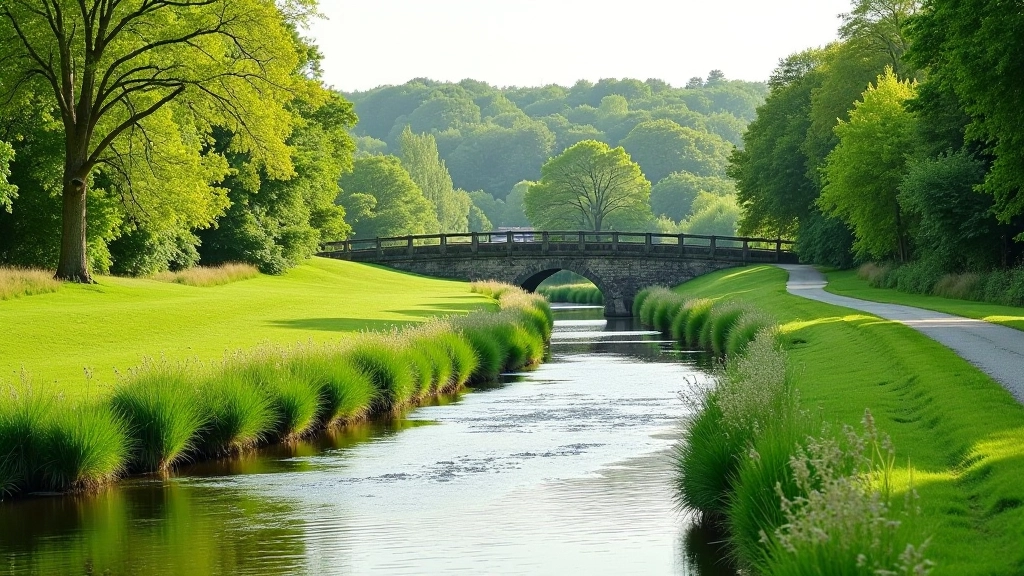
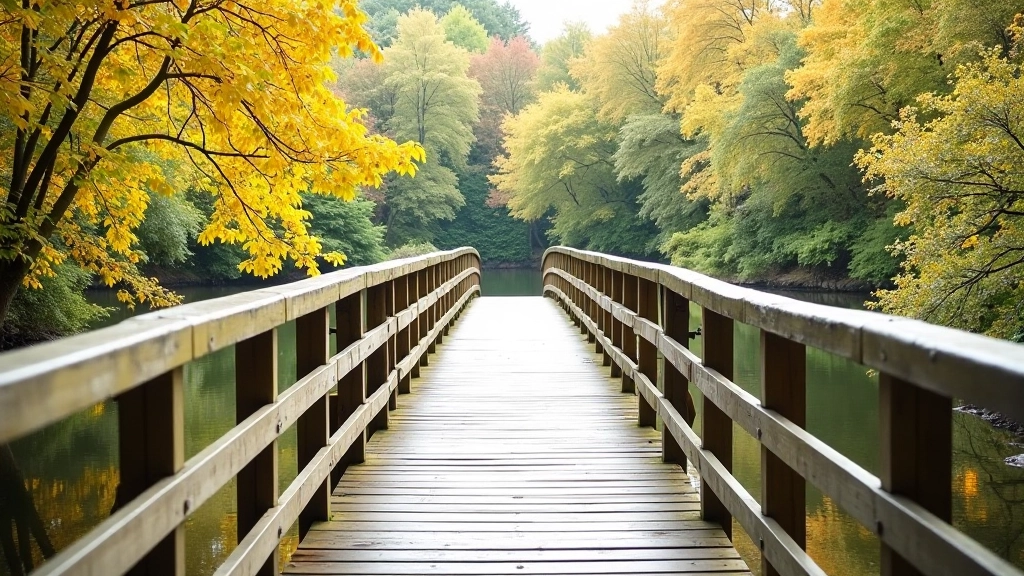
Wooden footbridge crossing the river with handrails, surrounded by autumn foliage and calm water below

What Walkers Say

"We weren't sure if we'd manage the full distance, but it turned out perfect. The scenery keeps you interested and you're not struggling with steep bits. We stopped for tea halfway and watched kingfishers diving. Brilliant afternoon out."

— Margaret & Tom, regular walkers

"The history side of it is genuinely interesting. You're not just walking — you're actually learning how the mills worked and why the weir's built the way it is. Made us want to come back in different seasons."

— David, first-time visitor

Síle O'Brien

Síle O'Brien

Senior Walking & Heritage Trails Correspondent

Síle O'Brien is a specialist in accessible walking trails and senior-friendly outdoor recreation with 14 years' experience guiding in Ireland's southeast. She's explored every major route in the Nore Valley and knows the seasonal quirks of each one.

Ready to Walk?

The River Weir and Mill Town Route is waiting. Pack your walking boots, bring some water, and discover why this gentle loop combines history, scenery, and genuine satisfaction in a single afternoon.

Get Walking Tips & Route Updates