
Inistioge Bridge Loop: A Gentle Riverside Stroll
Flat, easy 2-mile circuit around the medieval bridge and village. Perfect for a leisurely morning walk with plenty of benches to rest.
Why This Walk Works for Everyone
The Inistioge Bridge Loop isn't your typical hiking trail. It's a genuine village circuit that follows the Nore River, stays completely flat, and gives you everything you need in just two miles. No scrambling, no steep sections, no surprises. You'll get genuine river views, a working medieval bridge, and quiet stretches through woodland.
What makes it special is the pacing. There's no rush. You can walk at your own speed, stop whenever you want, and there's always somewhere to sit. The loop brings you back to where you started, so there's no confusion about where you're going or worry about getting lost.
The Route: Easy to Follow
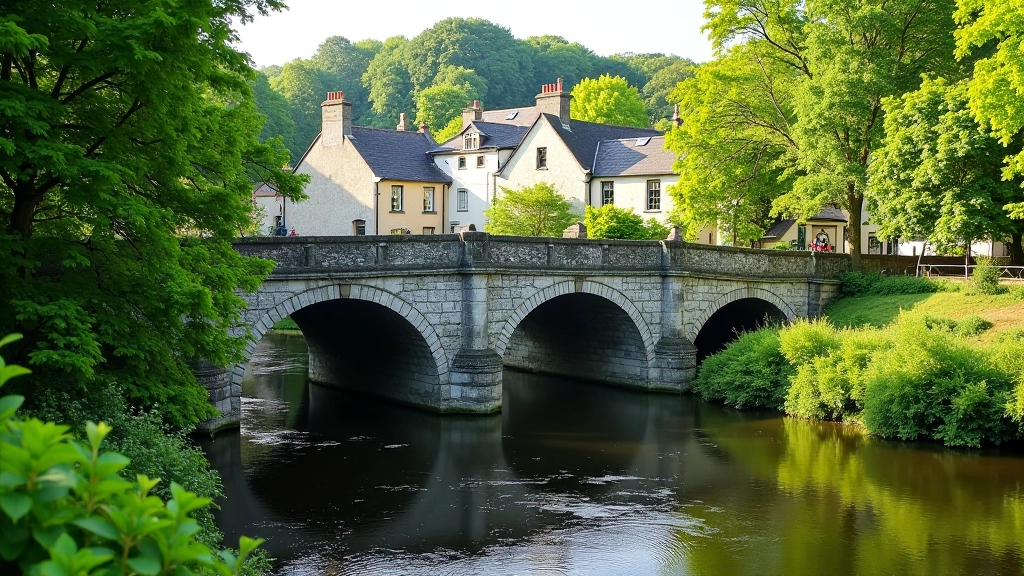
Start at the car park near Inistioge village center. Head toward the medieval bridge — you can't miss it. The bridge itself is worth a moment. It's been there since the 14th century, and it's the real heart of the village.
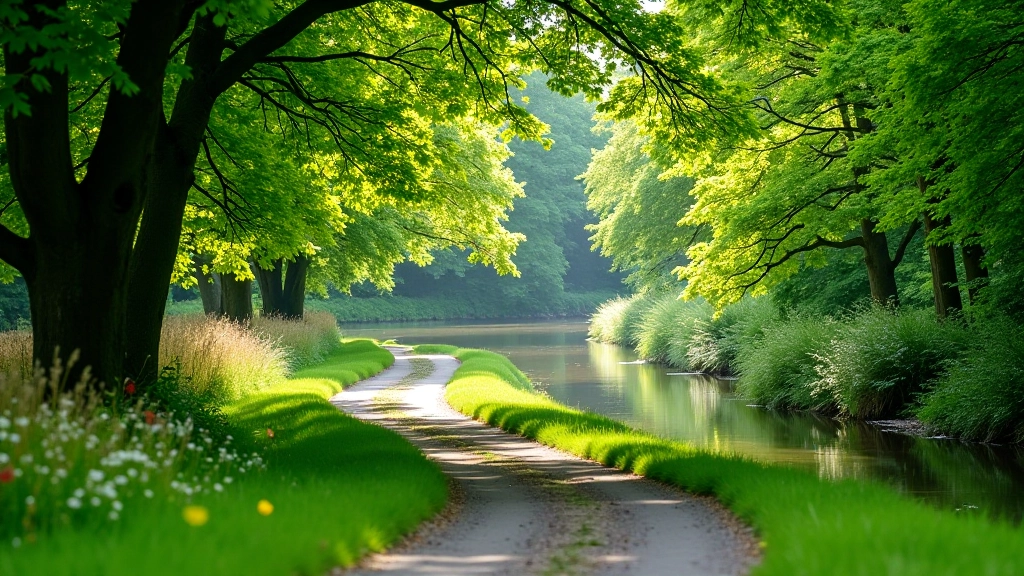
Cross the bridge and turn right onto the riverside path. This is the best bit. You're walking alongside the Nore with trees overhead, and the path is wide and well-maintained. It's not overgrown or muddy. After about 20 minutes, you'll reach a small woodland section with dappled light coming through the canopy. There's a bench here if you need a proper rest.
The path curves away from the river and brings you back toward the village through open fields. You'll see the bridge again from a distance before heading back through the village center. The whole loop takes about 45 minutes at a comfortable pace, or longer if you stop to look around. And you should — there's plenty worth looking at.
What You'll Experience
River Views Throughout
The Nore River runs alongside most of the walk. In summer, it's calm and shallow. You'll see ducks, occasionally herons, and the water reflects the trees overhead.
Shaded Woodland Section
About halfway through, the path enters a mature woodland with oak and ash trees. It's naturally cool even on warm days, and the light filtering through creates a genuinely peaceful atmosphere.
Medieval Architecture
The 14th-century bridge is genuinely impressive up close. The stonework is still solid, and you can see how it was built to last. Local information boards explain its history.
Regular Rest Points
There are four well-positioned benches around the loop. One overlooks the river at a wide section, another sits in the shade of the woodland. Plenty of places to pause.
Well-Maintained Paths
The path is regularly maintained. Mud isn't an issue except after heavy rain. The terrain is firm and stable throughout, with no loose gravel or unexpected dips.
Village Amenities Nearby
Finish your walk and head into the village. There's a good café, a pub with outdoor seating, and a small shop. Perfect for picking up water or a snack.
Important Information
This guide is based on typical conditions and is intended for informational purposes. Weather, seasonal changes, and local maintenance can affect trail conditions. Always check local weather before heading out, bring appropriate footwear, and wear visible clothing. If you have mobility concerns or health conditions, consult with your doctor before undertaking any walking activity. The loop can be slippery after rain — take extra care on the riverside sections.

What to Bring
Keep it simple. You don't need special hiking gear for this walk. A good pair of walking shoes with grip is essential — the path gets damp near the river, and the woodland section can be slippery after rain. Trainers work fine if they've got decent tread.
Bring water. A single 500ml bottle is enough for a 45-minute walk, but having extra is never wrong. The village has a water tap near the car park if you need to refill. A light jacket is worth bringing even if the weather looks fine — the woodland is cooler, and conditions change quickly near water.
Walking poles are optional but genuinely helpful. They take weight off your knees on the return journey and give you extra stability on damp sections. A sun hat and sunscreen matter more than you'd think. You're walking alongside water, which reflects light, so you'll get more sun exposure than you realize.
Best Times to Walk
Spring (April–May)
The riverside is at its greenest. Wildflowers bloom along the banks, and the water level is higher from winter rainfall. Mornings are cool, so it's good for walking without overheating. Midges aren't yet a problem.
Summer (June–August)
Start early — before 10am is ideal. The woodland section is genuinely cool, but the open riverside bits get warm. Water levels drop, making the river shallow and calm. The village is busier with tourists, but the walk itself stays quiet.
Autumn (September–October)
Possibly the best time. The woodland is spectacular with color changes, and the weather is reliable. Not too hot, not too cold. The path can be slippery with fallen leaves, so watch your footing. Much quieter than summer.
Winter (November–March)
It's still walkable, but the riverside path gets muddy. Daylight is short, so start early to finish before dusk. The woodland is dark and damp. Not ideal, but possible on a clear day with proper footwear and care.
Walking Tips for This Route
The walk is genuinely easy, but a few practical tips make it better. Start from the car park and walk the loop clockwise — you'll get the best river views this way, and the return journey is slightly easier with the sun at your back in the afternoon.
Take your time at the bridge itself. Stop for five minutes and look at the stonework. The arches are genuinely beautiful, and understanding how it was built makes the whole walk more interesting.
Watch the path surface near the river. It's safe, but it can be damp. Shuffle your feet a bit rather than taking long strides — it gives you better control on slippery sections.
Use the benches. They're there for a reason. A proper five-minute rest halfway through actually makes you feel fresher for the second half. Don't push through fatigue.
The woodland section is where you're most likely to miss the path. Stay on the main trail — it's the most obvious route. If you're unsure, you've probably wandered off slightly.

Accessibility & Comfort
This walk works well for people of varying mobility levels. The flat terrain means there's no impact on knees or hips. The path surface is firm and stable — not uneven or treacherous. You're not dealing with rocks, roots, or steep drops.
The benches matter. If you need to sit every 10 minutes, that's completely fine. You can break the walk into smaller chunks. Do half the loop, rest, then continue. There's no rule about doing it all in one go.
Walking poles genuinely help. They reduce impact, improve balance on damp sections, and let you adjust your pace. If you use them at home, bring them. The car park has disabled parking spaces close to the start, which is helpful.
It's not wheelchair accessible — the riverside path has a slight edge and isn't wide enough for wheelchairs. But for people with arthritis, mobility concerns, or who just prefer a gentle pace, this walk delivers without any of the stress that comes with steeper trails.
A Walk Worth Taking
The Inistioge Bridge Loop won't challenge you physically, and that's exactly the point. It's designed for people who want to be outdoors, see something beautiful, and not worry about getting exhausted or lost. You'll spend 45 minutes walking alongside one of Ireland's loveliest rivers, through woodland, past a medieval bridge that's genuinely worth looking at.
Start early if you can. Pack water and wear shoes with grip. Stop at the benches. Take your time. And when you're finished, head into the village and sit outside the café knowing you've had a proper walk in a genuinely lovely place. That's what this walk is about.